
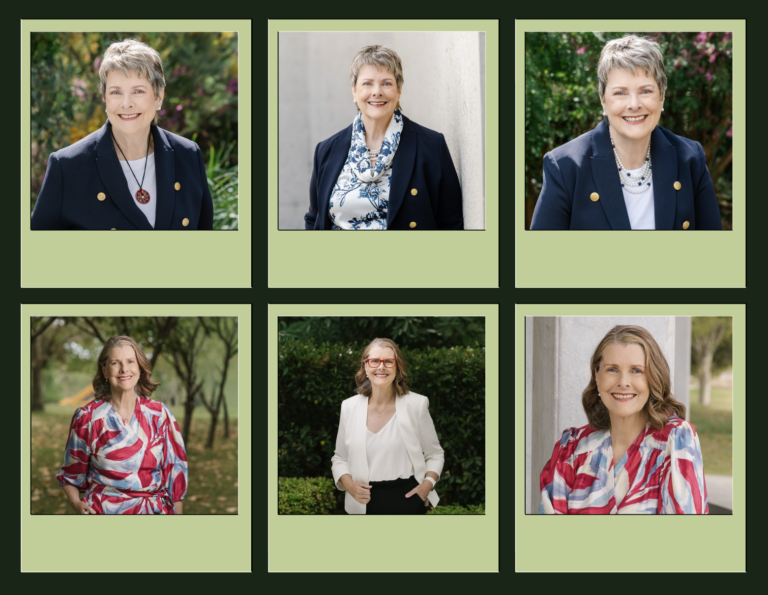
I almost didn’t recognise Maree when she stepped out of the car.
I had photographed her only two years earlier, and I’m usually very good with faces. She had called a few weeks before. She had recently been appointed to a board and needed an updated headshot, specifically on a green background like the ones we had made together last time.
“Don’t you already have one of those?” I asked.
“I do,” she said. “But I look quite different now.”
She was right. Her hair had grown and her style had shifted, but that wasn’t really it. Her presence had changed. She seemed more certain, more settled and happier. That quality had always been there, but it was brighter now.
When she saw the first images on the back of my camera, she said:
“Yes. That’s me.”
That is the moment I work for.
You don’t need to look different. You already do.
Most people think about updating their headshot only when something obvious changes, such as a new haircut, new glasses or a new employer. Those are good reasons. But the more common reason is harder to see from the inside.
Over a few years of meaningful work, you change. You take on more responsibility. You get clearer about what you stand for. You stop over-explaining. People start calling you an expert, and you start believing them.
Your photograph, meanwhile, stays exactly where it was.
The result is a quiet mismatch. The woman people meet in a boardroom or on a Teams call is not quite the woman in the little circle on LinkedIn. Nobody will mention it, but they notice.
Signs your photo belongs to a different chapter
1. You hesitate when someone asks for a current photo.
A conference organiser, a media team or a new board wants an image by Friday, and your first thought is “not that one”.
2. It was taken before a significant role.
A promotion, a board appointment, a move into consulting or starting your own business all change how you are seen. Your photo should keep up.
3. People say “oh, you look different” when they meet you.
They mean it kindly. It also means your photo is introducing someone else.
4. You crop around it, filter it or avoid using it.
If you’re working around your photo, it isn’t working for you.
5. It reflects a version of you that you’ve outgrown.
Sometimes the expression, styling or setting is perfectly fine. It just isn’t you anymore.
Being “ready” isn’t a prerequisite
Many of the women I photograph tell me they were waiting until they felt ready. Until they’d settled into the new role, finished a project or felt more comfortable in front of the camera.
I understand that. But a current portrait isn’t a reward for having everything sorted. It’s part of the work you’re already doing. It helps the people who are looking you up decide to get in touch, invite you to speak, or recommend you to someone else.
You don’t need to reinvent yourself for it. You need photographs that show the woman who is already there.
What an updated session looks like
Every session I run is guided from start to finish. We talk beforehand about where the images will be used and what you’d like people to understand about you. I help with clothing choices, and we can include professional hair and makeup. During the session I show you the back of the camera as we go, so you can see it working rather than wondering.
If your headshot is from a different chapter of your life, it might be time for a new one.
Not because you need to look different, but because you already do.
If this sounds familiar, I’d love to hear about the chapter you’re in now. Get in touch and I’ll send you the details of The Reintroduction.